
Southeast Asia and Unusual Flood Seasons:
When Natural Disasters Become a Matter of Regional Diplomacy
1. Introduction
In late 2025, several Southeast Asian countries were hit successively by exceptionally severe rainfall and flooding. From 26 to 30 October, many locations in central Viet Nam recorded extremely heavy rainfall; some exceeded 1,000 mm, with Khe Tre receiving 1,647 mm [1]. At Cau Lau Station, the Thu Bon River peaked at 5.62 metres, 0.14 metres higher than the historic flood peak recorded in 1964 [2]. In early November, Typhoon Kalmaegi brought heavy rainfall, flash floods and landslides to the Philippines, with Cebu among the areas most severely affected [3]. A few weeks later, Hat Yai in southern Thailand experienced widespread heavy rainfall and flooding, with daily rainfall reported at approximately 335 mm [4]. In late November, Tropical Storm Senyar made landfall in Indonesia and Malaysia, further intensifying heavy rainfall, flooding and landslides in Sumatra and the Strait of Malacca region [5].
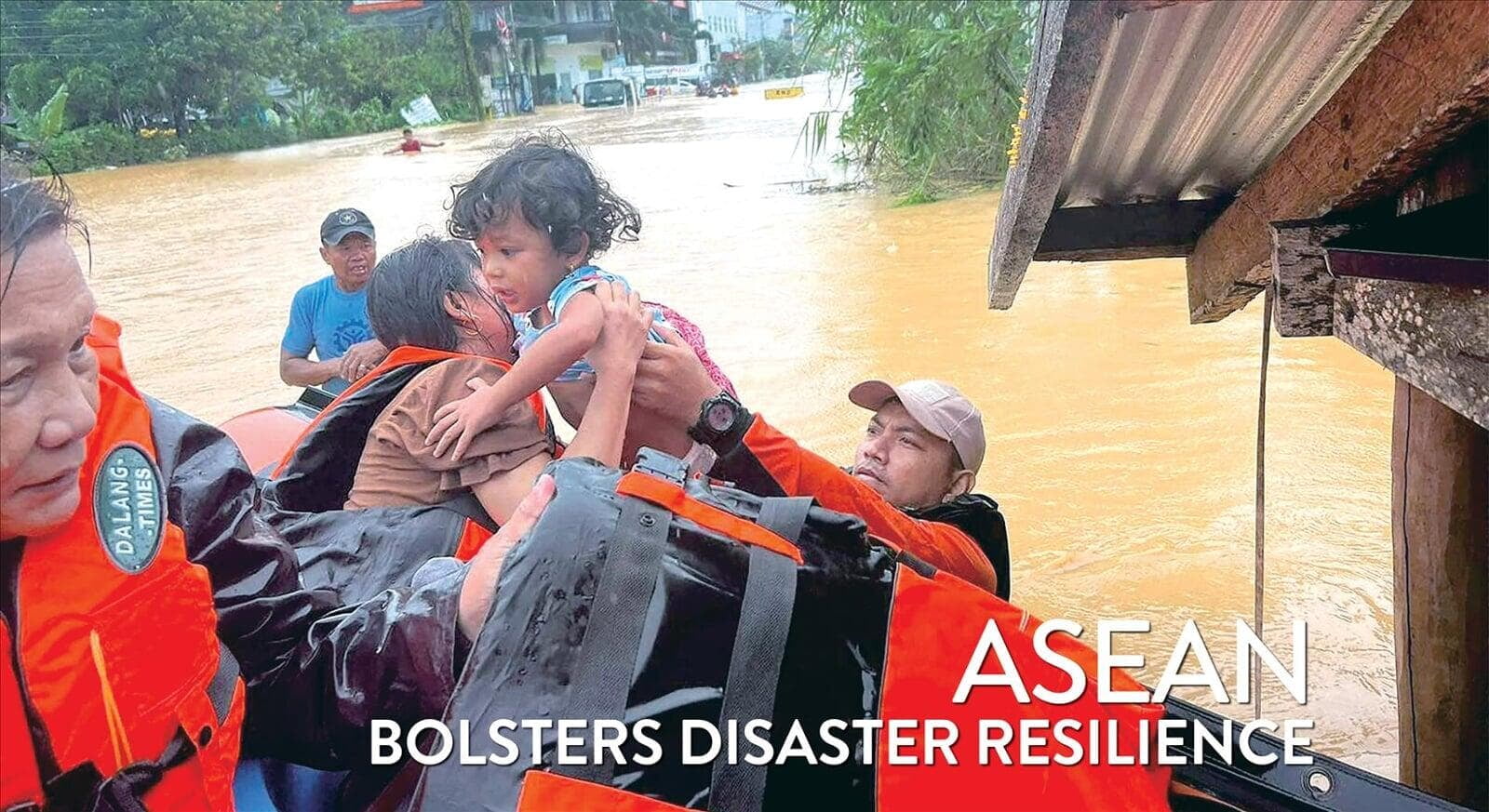
These events did not necessarily share the same causes, nor can they all be attributed entirely to climate change. Nevertheless, they demonstrate an increasingly evident characteristic of disaster risk in Southeast Asia: flooding is no longer solely a national issue but also has regional and transboundary dimensions. Weather systems, river basins, maritime areas, ecosystems and supply chains connect countries within the same geographical space. When a country must respond to a large-scale disaster, its needs for data, early warning, relief, logistics, financing and recovery may extend beyond national capacities.
In this context, flooding poses a challenge not only to the adaptive capacity of individual countries but also to Southeast Asia’s capacity for cooperation and diplomacy. ASEAN has developed a range of mechanisms for disaster management, among which the ASEAN Agreement on Disaster Management and Emergency Response (AADMER), the ASEAN Coordinating Centre for Humanitarian Assistance on disaster management (AHA Centre), and the “One ASEAN, One Response” initiative constitute important foundations for regional cooperation [6], [7].
The unusual flood seasons of recent years can therefore be viewed not only as manifestations of climate risk, but also as a test of regional diplomacy and Southeast Asia’s capacity to build collective resilience.
2. Southeast Asia Facing Increasingly Complex Flood Risks
Southeast Asia lies within the tropical monsoon zone, characterised by high seasonal rainfall and frequent exposure to typhoons and tropical depressions. Many countries have long coastlines, low-lying plains, extensive river basins and large populations concentrated in riverine and coastal areas. The region is therefore inherently highly exposed to flood risks. In 2025, natural climate variability, including La Niña and the negative phase of the Indian Ocean Dipole, may have contributed to increased atmospheric moisture and rainfall in certain areas [5]. However, the specific contribution of each factor to the formation and development of individual storms needs to be assessed separately.
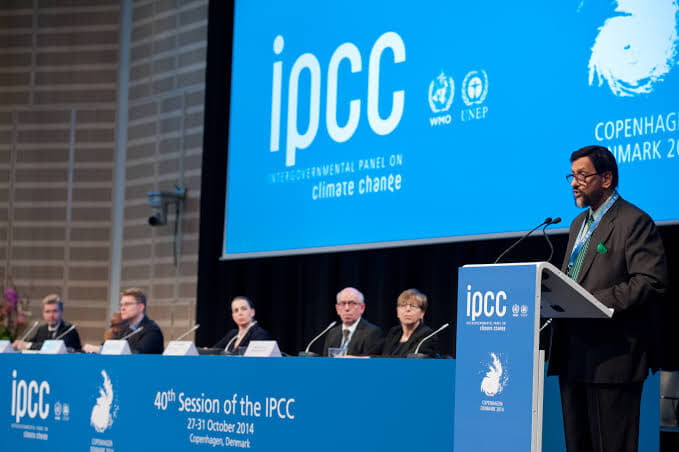
Against this background, climate change is likely acting as a risk amplifier. World Weather Attribution (WWA) notes that observational datasets differ in the magnitude of their estimates, but consistently indicate that extreme rainfall events in the Strait of Malacca region are becoming more intense in a warming climate [8]. The scale of this contribution should therefore be assessed cautiously. Over the longer term, the IPCC estimates that coastal cities, particularly in South and Southeast Asia, may experience substantial increases in average annual economic losses caused by flooding between 2005 and 2050, depending on climate scenarios and levels of adaptation [9]. Sea-level rise places additional pressure on coastal areas; in some cities, land subsidence further lowers the ground level relative to the sea. The degree of impact varies between Jakarta, Ho Chi Minh City, Bangkok, Manila and other cities, and therefore requires location-specific assessment [10].
Human factors also play an important role. In low-lying urban areas, natural drainage systems, lakes and water-retention areas can be reduced by urbanisation, concrete surfaces and residential development [11]. In coastal areas, the degradation of mangrove forests and wetlands can weaken coastal protection and increase erosion risks [12]. In Sumatra, the environmental organisation WALHI estimates that approximately 1.4 million hectares of forest were lost across Aceh, North Sumatra and West Sumatra during the 2016–2025 period [13]. Flood risk should therefore be understood as the outcome of interactions between natural hazards and the vulnerability of communities.
3. From Disaster Diplomacy to Climate Diplomacy: The Emergence of a Common Response Space in Southeast Asia
A flood occurring within the territory of a country remains, first and foremost, the responsibility of that country. ASEAN also emphasises the principles of respect for sovereignty, territorial integrity and the authority of the affected country to direct disaster assistance operations. Yet this division of sovereign responsibility is precisely what makes interstate coordination an important component of regional disaster governance. This is where regional diplomacy can play a significant role. In the context of disasters, diplomacy does not necessarily take the form of high-level political negotiations. It can operate through highly practical mechanisms: agreeing on procedures for data sharing, establishing communication focal points, mobilising relief resources, coordinating specialist personnel, sharing technology, and developing common standards for warning and response.
- Legal foundations:
AADMER represents a key legal foundation for ASEAN cooperation in this field. Signed in 2005 and entering into force in 2009, the agreement provides a framework for ASEAN cooperation on disaster management and emergency response. In October 2025, ASEAN launched the AADMER Work Programme 2026–2030, organised around five priority areas: risk assessment, monitoring and early warning; prevention and mitigation; preparedness and response; resilient recovery; and global leadership. Notably, the new Work Programme does not focus solely on response after disasters occur, but places greater emphasis on forecasting, anticipatory action and long-term resilience. ASEAN cooperation on disaster management is gradually shifting from a disaster-response approach towards pre-disaster risk governance [14].
- Regional cooperation:
One of the clearest expressions of regional cooperation is the One ASEAN One Response mechanism. This initiative was developed to enable ASEAN to respond more rapidly, mobilise greater resources and strengthen coordination when disasters occur. The AHA Centre serves as a key regional coordinating body within this mechanism. From this perspective, disasters can also become an area for confidence-building among countries. Regular cooperation through training, exercises, information sharing and humanitarian assistance helps establish communication networks and practical experience that may also prove useful in addressing larger crises. In 2026, ASEAN continued to emphasise the One ASEAN One Response approach within its vision towards ASEAN 2045, including anticipatory action, innovation, sustainable financing and whole-of-society cooperation [15].
- Disaster diplomacy and the emergence of a common response space:
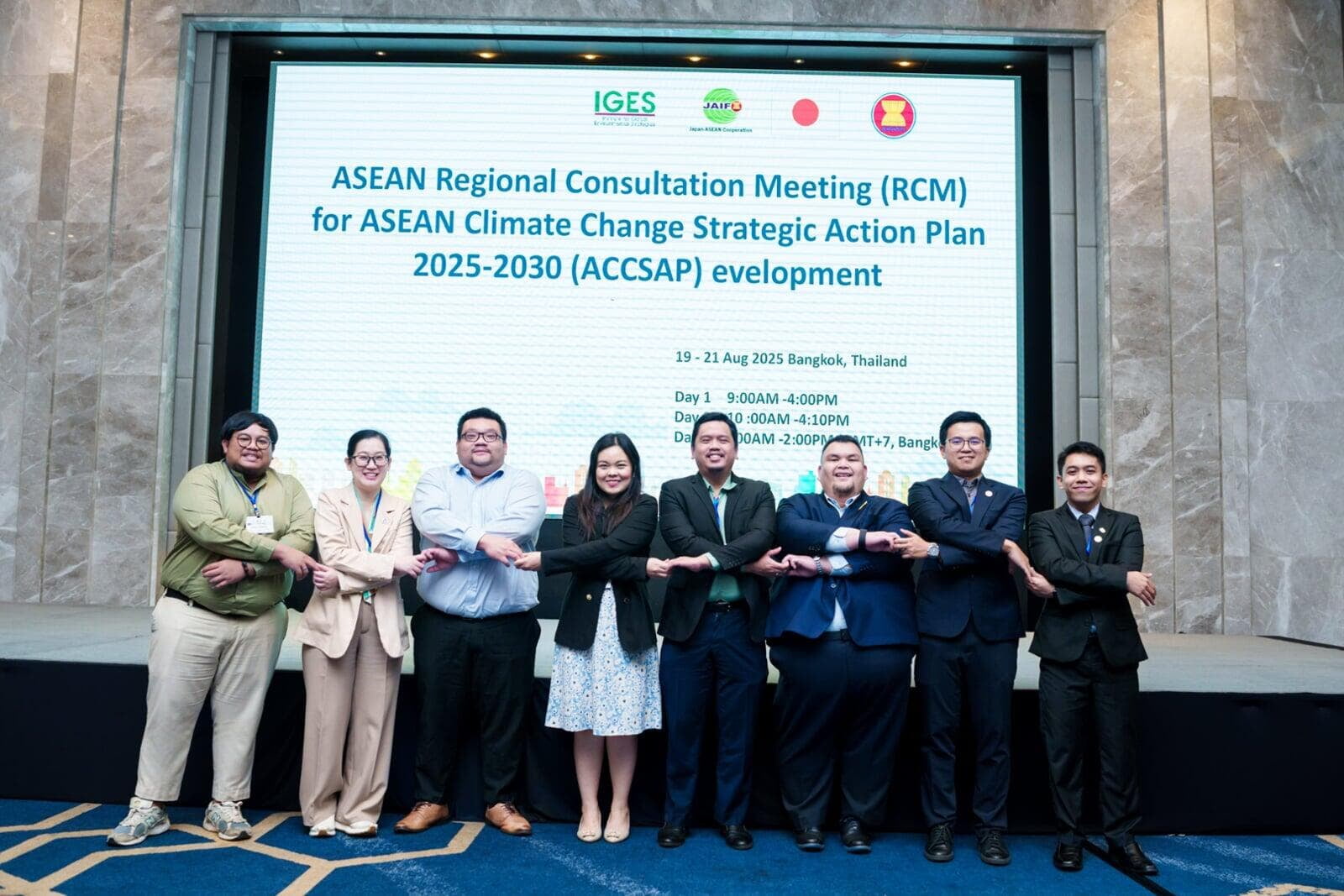
Flooding also reveals a broader issue: Southeast Asia’s resilience depends in part on countries’ ability to coordinate in the face of a changing climate. In recent years, ASEAN has strengthened cooperation on climate change adaptation and mitigation, including information sharing, research, capacity-building and policy coordination. ASEAN is also developing the ASEAN Climate Change Strategic Action Plan 2025–2030, adopting an interdisciplinary approach and involving policy institutions, researchers and regional partners [16]. ASEAN climate diplomacy is not confined to intra-regional cooperation. At international forums such as the United Nations Framework Convention on Climate Change (UNFCCC), ASEAN countries have shared interests in coordinating their positions on adaptation, climate finance, technology transfer and support for developing countries. In 2025, ASEAN adopted a Joint Statement on Climate Change towards COP30 while continuing to promote regional cooperation within the global climate negotiation process [17], [18].
- Disasters and ASEAN’s network of partners:
Southeast Asia’s disaster diplomacy is not limited to relations among ASEAN Member States. Disasters generate demand for cooperation with external partners in areas such as finance, technology, data, training and humanitarian assistance. In disaster management, ASEAN currently maintains cooperation programmes with China, Japan and the Republic of Korea. At meetings held in 2026, ASEAN continued discussions on disaster management cooperation plans with all three partners for the 2026–2030 period. Japan provides a notable example, having supported ASEAN in developing the AADMER Work Programme 2026–2030 through the Japan-ASEAN Integration Fund. Such activities demonstrate how development cooperation and disaster diplomacy can complement each other in reducing environmental impacts and losses [19]. In addition, in July 2026, ASEAN and China continued to advance cooperation on green finance, energy transition and people-centred approaches within the framework of ASEAN–China environmental and climate cooperation for 2026–2030, with the aim of mitigating climate impacts and advancing towards a greener future [20]. Flooding therefore raises not only the question of how ASEAN countries can assist one another, but also a broader question: how can ASEAN use its network of external partnerships to strengthen regional resilience?
4. From Disaster Response to Environmental Cooperation: The Role of Regional Diplomacy
The preceding discussion suggests that the relationship between the environment and diplomacy in Southeast Asia is becoming increasingly two-directional. Environmental challenges create greater demand for cooperation among states, while diplomacy, in turn, provides the institutions, resources and networks required to address such challenges at a broader scale.
The effectiveness of environmental diplomacy in the future will therefore be measured not only by the number of cooperation mechanisms established, but also by whether those mechanisms can generate substantive coordination among countries, connect available resources and contribute to the protection of people, ecosystems and the region’s capacity for sustainable development.
Unusual flood seasons demonstrate how environmental cooperation in Southeast Asia can help narrow the gap between political borders and environmental space. Climate systems, river basins, maritime areas and ecosystems do not operate according to national boundaries. In this context, diplomacy does more than generate political consensus; it also enables environmental knowledge and information to be shared across borders.
Cooperation additionally creates the capacity to mobilise and allocate resources at the regional level. Mechanisms such as AADMER, the AHA Centre and One ASEAN One Response allow different resources to be connected within a common framework. When this cooperation is extended to partners such as Japan, China and the Republic of Korea, the network can provide additional technological, financial and capacity-building resources. Diplomacy therefore functions as a mechanism for connecting environmental resources among countries and between ASEAN and its external partners.
Cooperation is also contributing to a shift in emphasis from disaster response towards prevention and long-term adaptation. ASEAN’s focus on risk assessment, early warning, anticipatory action and resilience-building under the AADMER Work Programme 2026–2030 demonstrates the expanding role of regional cooperation. Cooperation between ASEAN and China on climate change, green finance, energy transition and ecosystem restoration further illustrates how environmental diplomacy can address long-term risks rather than simply managing the consequences of individual disasters.
Environmental cooperation also serves as a means of building trust and sustaining regional dialogue. Environmental issues often require continuous coordination among government agencies, specialised institutions, scientists and communities. Activities such as joint exercises, expert exchanges, data sharing, coordinated humanitarian assistance and joint research programmes create regular channels of communication among countries.
Issues such as climate change, climate finance and technology transfer exceed the capacity of any single country, or even of a single region, to resolve independently. When such issues are brought to international forums, ASEAN can translate Southeast Asia’s shared needs and challenges into an agenda at the global level. Regional cooperation therefore not only helps ASEAN respond more effectively to current developments, but also creates opportunities for the region to participate in shaping the rules and resources governing future environmental governance.
References:
[1] Malay Mail. 2025. “Worst since 1999: Thousands evacuated in Vietnam after record rain, floods Hue, triggering landslides.” Malay Mail. Accessed 18 September 2026.
https://malaymail.com/news/world/2025/10/28/worst-since-1999-thousands-evacuated-in-vietnam-after-record-rain-floods-hue-triggering-landslides/196357
[2] AHA Centre. 2025. “Flash update no. 01 – Flooding in Central Viet Nam.” AHA Centre. Accessed 18 September 2026.
https://ahacentre.org/flash-update/flash-update-no-01-flooding-in-central-viet-nam-30-october-2025/
[3] Al Jazeera. 2025. “At least 66 killed as Typhoon Kalmaegi batters the Philippines.” Al Jazeera. Accessed 18 September 2026.
https://www.aljazeera.com/amp/news/2025/11/4/typhoon-kalmaegi-flooding-kills-more-than-40-in-the-philippines
[4] Global Nation (Inquirer.net). 2025. “Thailand’s Hat Yai declared a disaster zone after record flooding.” Inquirer.net. Accessed 18 September 2026.
https://globalnation.inquirer.net/299705/thailands-hat-yai-declared-a-disaster-zone-after-record-flooding
[5] Britannica. 2025. “Asia floods of 2025.” Britannica. Accessed 18 September 2026.
https://www.britannica.com/event/Asia-Floods-of-2025
[6] ASEAN. 2025. “ASEAN launches AADMER Work Programme 2026–2030.” ASEAN Main Portal. Accessed 19 September 2026.
https://asean.org/asean-launches-aadmer-work-programme-2026-2030/
[7] ASEAN. “One ASEAN, One Response.” AADMER Work Programme 2021–2025. Accessed 18 September 2026.
https://mneawp.asean.org/asean-declarations
[8] World Weather Attribution. 2025. “Increasing heavy rainfall and extreme flood heights in a warming climate threaten densely populated regions across Sri Lanka and the Malacca Strait.” World Weather Attribution. Accessed 19 September 2026.
https://www.worldweatherattribution.org/increasing-heavy-rainfall-and-extreme-flood-heights-in-a-warming-climate-threaten-densely-populated-regions-across-sri-lanka-and-the-malacca-strait/
[9] IPCC. 2022. “Asia (Chapter 10).” In Climate Change 2022: Impacts, Adaptation and Vulnerability. Contribution of Working Group II to the Sixth Assessment Report. IPCC. Accessed 19 September 2026.
https://www.ipcc.ch/report/ar6/wg2/downloads/report/IPCC_AR6_WGII_Chapter10.pdf
[10] Scientific Reports. 2025. “Impacts of sea level rise and adaptation across Asia and the Pacific.” Scientific Reports. Accessed 19 September 2026.
https://www.nature.com/articles/s41598-025-11517-6
[11] PEERS. 2026. “Global leading practices for coastal resilience – Chapter 3: Asia.” PEERS. Accessed 20 September 2026.
https://e1.nmcdn.io/assets/peers/wp-content/uploads/2026/04/PEERS-Leading-Practices-2026-Ch3-Asia.pdf
[12] Arab News. 2025. “How decades of deforestation led to catastrophic Sumatra floods.” Arab News. Accessed 20 September 2026.
https://www.arabnews.com/node/2625722/world
[13] Mongabay. 2025. “Sumatra’s ‘natural’ disaster wasn’t natural: How deforestation turned a rare cyclone catastrophic.” Mongabay. Accessed 20 September 2026.
https://news.mongabay.com/2025/12/sumatras-natural-disaster-wasnt-natural-how-deforestation-turned-a-rare-cyclone-catastrophic/
[14] ASEAN. 2026. “AADMER Work Programme 2026–2030.” ASEAN. Accessed 20 September 2026.
https://asean.org/book/aadmer-work-programme-2026-2030-2/
[15] Institute for Global Environmental Strategies (IGES). “The ASEAN Climate Change Strategic Action Plan 2025–2030 Project.” IGES. Accessed 20 September 2026.
https://www.iges.or.jp/en/projects/accsap2024
[16] ASEAN. “Secretary-General of ASEAN shares vision for advancing ‘One ASEAN, One Response’ in disaster management.” ASEAN. Accessed 20 September 2026.
https://asean.org/secretary-general-of-asean-shares-vision-for-advancing-one-asean-one-response-in-disaster-management/
[17] ASEAN. “18th ASEAN Ministerial Meeting on the Environment and the 20th Meeting of the Conference of the Parties to the ASEAN Agreement on Transboundary Haze Pollution.” ASEAN. Accessed 21 September 2026.
https://asean.org/18th-asean-ministerial-meeting-on-the-environment-and-the-20th-meeting-of-the-conference-of-the-parties-to-the-asean-agreement-on-transboundary-haze-pollution
[18] ASEAN. “ASEAN Joint Statement on Climate Change to the 30th Session of the Conference of the Parties to the United Nations Framework Convention on Climate Change (UNFCCC COP-30).” ASEAN. Accessed 21 September 2026.
https://asean.org/asean-joint-statement-on-climate-change-to-the-30th-session-of-the-conference-of-the-parties-to-the-united-nations-framework-convention-on-climate-change-unfccc-cop-30
[19] ASEAN. “48th ASEAN Committee on Disaster Management meeting strengthens cooperation and future work plans.” ASEAN. Accessed 22 September 2026.
https://asean.org/48th-asean-committee-on-disaster-management-meeting-strengthens-cooperation-and-future-work-plans
[20] ASEAN. “Secretary-General of ASEAN meets with China’s Special Envoy for Climate Change.” ASEAN. Accessed 22 September 2026.
https://asean.org/secretary-general-of-asean-meets-with-chinas-special-envoy-for-climate-change/